Posts, processions, laments, but no justice: Is the state really looking for the culprit?

Sadia Sultana Rimi
Sadia Sultana Rimi
Two weeks have passed. Not a long time, but for people waiting for justice, it feels like two centuries. After the murder of Hadi Bhai, a flood of protest posts, videos, columns, processions, and meetings have taken place on social media. Millions of voices have raised the question together: Where is the murderer? When will the trial be held? Yet there is zero visible result. There is no clarity about the progress of the investigation, no news of the arrest of the culprit, no firm commitment to the trial process. This silence not only breeds despair; it raises questions about the goodwill of the state.
Let's assume, as is often heard in state discourse, that the murderer has fled the country. Let's say he is in India. Does that stop the trial? Are international cooperation, border surveillance, information exchange all limited to paper and pen? Or are these measures activated only when the deceased falls on the 'important' list? If the criminal flees, does the investigation stop? Can't the collection of evidence, identification of the network, and search for accomplices all go on in parallel? In reality, we see that one question after another piles up, with no answers.
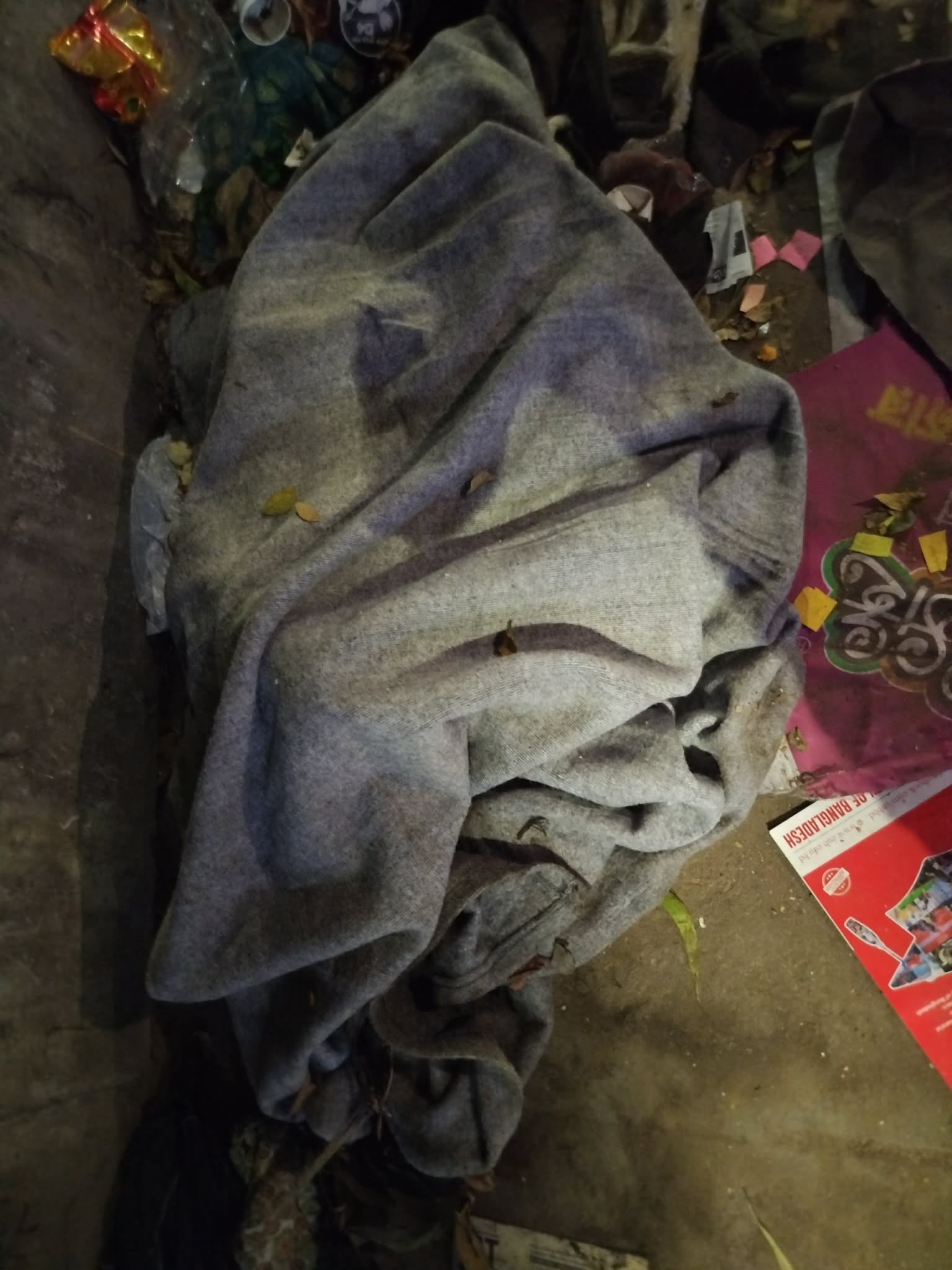
In this context, the incident in Moghbazar seems to add fuel to the fire. A daily wage laborer, a hard-working brother, lost his life in a cocktail explosion. No big name, no political identity, no influential acquaintance. Was he a lesser citizen? Is his life worth less? Are the cries of his family heard less? Is the state looking for his killers? Or is it the same old story here too, with the sentence "investigation is underway" ending the case?
We seem to be living in a strange reality, where crimes are committed openly, deaths are committed in public, yet justice is invisible. The state has various forces, technology, and intelligence networks, yet the criminals are not able to reach them. The question arises: is the problem one of capacity or one of goodwill? If there is a lack of capacity, then where have all these years of investment gone? And if there is a lack of goodwill, then where does the moral foundation of the state stand?
The culture of impunity was not built overnight. Over the years, we have seen some crimes solved quickly, while others linger for years. Why? The reason is not difficult: criminals close to power often remain beyond the reach of the law. And for victims outside of power, justice is a long, thorny path. This inequality is what breaks the trust of citizens. When the law is not equal for all, the moral authority of the state erodes.
Protests on social media are a reality of the times. People are now raising their voices online as well as on the streets. But is this voice limited to trends? Does the state give importance to these voices? Or does it rely on forgetting everything after a few days? Experience shows that with time, the light fades, headlines change, new issues emerge and old cases gather dust in files.
Here another important question arises: why do we need to seek justice? In a civilized state, justice is not a favor; it is the right of citizens. Yet in our reality, we have to demand justice, march, post, and raise our voices. This situation shows that there has been a fundamental deviation somewhere. If the state had been responsible for searching for the culprit, if the information from a transparent investigation had been regularly brought before the public, then so many questions and so much anger would not have arisen.
To restore trust in law enforcement, not just assurances are needed, but visible progress is needed. Revealing the perpetrators when they are caught, informing them of the stages of the investigation, and setting deadlines are all things that build trust. But what we see is ambiguity. This ambiguity breeds rumors, increases suspicion, and ultimately widens the distance between the state and citizens.
Although Hadi Bhai's murder and the Moghbazar explosion are two different incidents, the question is the same: Is the state really looking for the culprit? Or is the search just a formality in some incidents? If the state was really looking, we wouldn't be in the dark even after two weeks. At least we would know where the progress is, where the obstacles are, what the next steps are.
The strength of a state is not only in its weapons or forces; it is in its justice system. Impunity not only emboldens criminals, but also frightens ordinary people. When people see that there is no justice for murder, no one takes responsibility for the explosion, they feel helpless. This helplessness gives rise to distrust, despair, and sometimes extreme reactions.
This article is not an accusation against any individual; it is a collective question. We want to know which path our country is taking? Where silence after crime has become normal? Where justice is defeated by time? If this path continues, what will Bangladesh be like in the future? Where criminals know that time will work in their favor?
There is still time. If the state wants, it can restore trust. If it wants, it can show that neither the murder of Hadi Bhai nor the explosion in Moghbazar will be neglected. The identity of the criminal is not big or small; the crime is big. If we stand by this principle, there will be no need to seek justice. Justice will then come as a citizen's right, in the natural process.
The question remains, then, if justice is not served despite the posts, processions, and cries, is the state really looking for the culprit? Or are we just waiting for the time when these wounds will also be added to the list of all the other forgotten incidents? The state must answer this question not with words, but with deeds.
Sadia Sultana Rimi
Student, Mathematics Department
Jagannath University